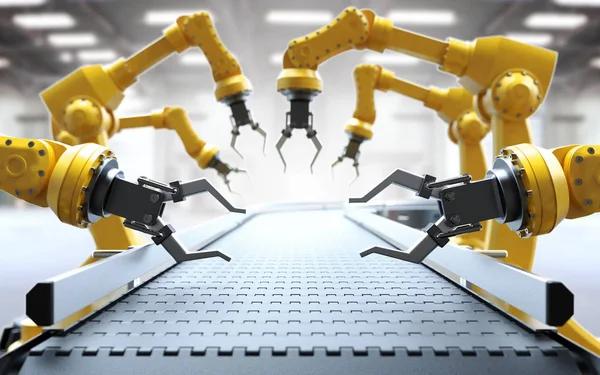
The future of digital transformation promises to be an exciting and dynamic journey, fundamentally reshaping how businesses operate, engage with customers, and create value. As technology continues to evolve customercontactexchange.com at an unprecedented pace, organizations across industries are increasingly embracing digital tools and strategies to stay competitive and relevant in a rapidly changing world. The integration of emerging technologies such as artificial intelligence (AI), machine learning, the Internet of Things (IoT), blockchain, and 5G connectivity is set to accelerate this sinahotel.net transformation, enabling smarter decision-making, enhanced automation, and more personalized customer experiences. One of the key drivers shaping the future of digital transformation is AI. With its ability to analyze vast amounts of data quickly and accurately, AI empowers companies to uncover insights that were previously inaccessible. This capability not only improves operational efficiency but also fosters innovation by enabling predictive analytics, natural language processing, and intelligent automation. Businesses will increasingly rely on AI-powered systems for tasks ranging from supply chain optimization to customer service chatbots that provide real-time support. Another significant trend is the expansion of IoT devices that connect everyday objects to the internet. This interconnected ecosystem allows for seamless data exchange between machines and humans, facilitating smarter environments in homes, cities, factories, cakesbyaantafel.com and healthcare settings. For instance, smart sensors can monitor equipment health in manufacturing plants or track patient vitals remotely in medical facilities. Such applications enhance productivity while reducing costs through proactive maintenance and improved resource management. Blockchain technology also inteligenciadigital2013.com holds transformative potential by providing secure and transparent ways to record transactions without edubooksrent.com intermediaries. Its adoption could revolutionize sectors like finance by streamlining payments or enhancing supply chain traceability through immutable ledgers. Moreover, blockchain’s decentralized nature supports new business models centered around trustless interactions among participants. The rollout of 5G networks will further boost digital transformation efforts by offering faster speeds with lower latency compared to previous generations. Enhanced connectivity enables real-time communication between devices at scale-critical for innovations like autonomous vehicles or augmented reality experiences used in retail or training environments. Despite these promising advancements, successful digital transformation requires more than just adopting new technologies; it demands a cultural shift within organizations toward agility and randomlengthnews.com continuous learning. Companies must foster ecosystems where houseofumoja.org employees embrace change actively while leaders prioritize strategic investments aligned with long-term goals rather than short-term gains. In conclusion, the future landscape shaped by ongoing digital transformation will be defined by hyper-connectivity driven by intelligent systems capable of adapting autonomously based on contextual awareness derived from massive theeyewitnessreports.com datasets collected globally via IoT infrastructures supported over ultra-fast networks like 5G-all underpinned by secure frameworks such as blockchain ensuring data integrity throughout complex processes spanning multiple stakeholders worldwide. Organizations prepared for this evolution stand poised not cathedralleasing.com only to thrive amid disruption but also pioneer innovative solutions that chillinncambodia.com redefine industry standards for years ahead.
The Future of Digital Transformation